 How-to
How Do I Request an FASD Assessment for My Child?
Last Updated: November 1, 2026
Quick Summary
To request an FASD assessment for your child, check whether your province accepts parent self-referrals or requires a physician to start the process, then contact your family doctor to request a referral to a diagnostic team. Ask the clinic what forms and records they need, and keep a copy of everything you send.
- Diagnosis rests on a multidisciplinary team, not a single test.
- Ask the intake line for wait times from referral to first appointment and to the team meeting.
- Confirm in writing whether an assessment is publicly funded or what the private fee covers.
- You can still request an assessment when prenatal alcohol exposure is unknown or records are missing.
- You do not need a diagnosis to request school supports such as visual schedules and quiet spaces.
Table of Contents
- What an FASD Assessment Can and Cannot Tell You
- How to Get an FASD Referral: Self-Referral or Through a Health Care Provider
- Your FASD Assessment Checklist for Parents: What to Prepare Before You Call
- What Happens During the Assessment: The Multidisciplinary Team and Diagnostic Process
- FASD Assessment Wait Times, Costs, and Telehealth Options
- When Prenatal Alcohol Exposure Is Unknown or Records Are Missing
- School Accommodations for Children with FASD While You Wait
- Getting Guidance From Harrison's Hope on Your Family's Next Step
- Frequently Asked Questions
What an FASD Assessment Can and Cannot Tell You
A FASD assessment is a structured clinical evaluation that looks at how a child's brain and body developed, and whether prenatal alcohol exposure played a role (How is fetal alcohol spectrum disorder (FASD) diagnosed?). An assessment is a tool for getting support, not a label for your child. For a broader parent's guide to supporting a child with FASD as you begin this journey, see How to Support Children with FASD: A Parent's Guide.
Here is what a diagnostic assessment can do:
- Confirm whether a child meets the diagnostic criteria for FASD
- Map out functional abilities and strengths
- Identify support needs at home and at school
- Open doors to funded services and individualized planning
- Give you language to use with schools, doctors, and family
And here is what it cannot do:
- It cannot tell you exactly how much alcohol was consumed
- It cannot predict your child's future
- It cannot replace your own knowledge of your child
The CanFASD diagnostic guidance is clear that diagnosis rests on a team, not a single test. Keep that in mind as you read on.
How to Get an FASD Referral: Self-Referral or Through a Health Care Provider
You have two main paths to a referral, and neither is "better" in every case. Self-referral means you contact a provincial FASD service or regional diagnostic network directly, and some regions accept it. A professional referral comes from your family doctor, pediatrician, or another health care provider.
Here is how to get an FASD referral in practice:
- Check your province's pathway first. Some regions accept self-referrals openly, while others require a physician to start the process. Call the provincial FASD service or your regional health authority's diagnostic coordinator and ask one question: "Can a parent self-refer for a child's FASD assessment here, or does a physician have to start it?" Write down the name of the person who answers.
- Call your family doctor if self-referral isn't an option. Ask specifically for a referral to a diagnostic team, not a general developmental pediatrician. Bring the one-page summary described in the next section so the visit produces a usable referral letter rather than a vague note.
- Ask the clinic what they need. Referral forms vary widely between regions. Common requirements include the child's health card number, a physician's signature, a developmental history form, school records, and consent for release of information. Ask whether the team wants records sent with the referral or gathered later, sending too much too early can slow intake.
- Keep a copy of everything you send. You will need it if the file goes quiet. Note the date, the fax number or portal, and the name of anyone you spoke to.
A common mistake is waiting for someone to offer the referral. In most cases, you have to ask. A second common mistake is assuming a referral equals an appointment. In many provinces the referral goes to a central intake, and families may wait some time before being contacted.
If the referral stalls. Follow up in writing. Ask whether the file is open, what is missing, and what the current estimated wait is. If the file has been closed without an appointment, ask for the reason in writing. Keep the tone factual; a short, dated email trail is a useful record.
Who can refer, in broad terms. Referrals commonly come from family physicians and pediatricians, and the rules for self-referral vary by region and by child's age. Confirm the rule for your child's age before you assume self-referral is available.
Here are the referral steps the article lays out, in order.
| Step | What to do |
|---|---|
| 1 | Check your province's pathway; ask if parents can self-refer |
| 2 | Call your family doctor and request a diagnostic team referral |
| 3 | Ask the clinic what referral forms and records they need |
| 4 | Keep a copy of everything you send and note dates |
Your FASD Assessment Checklist for Parents: What to Prepare Before You Call
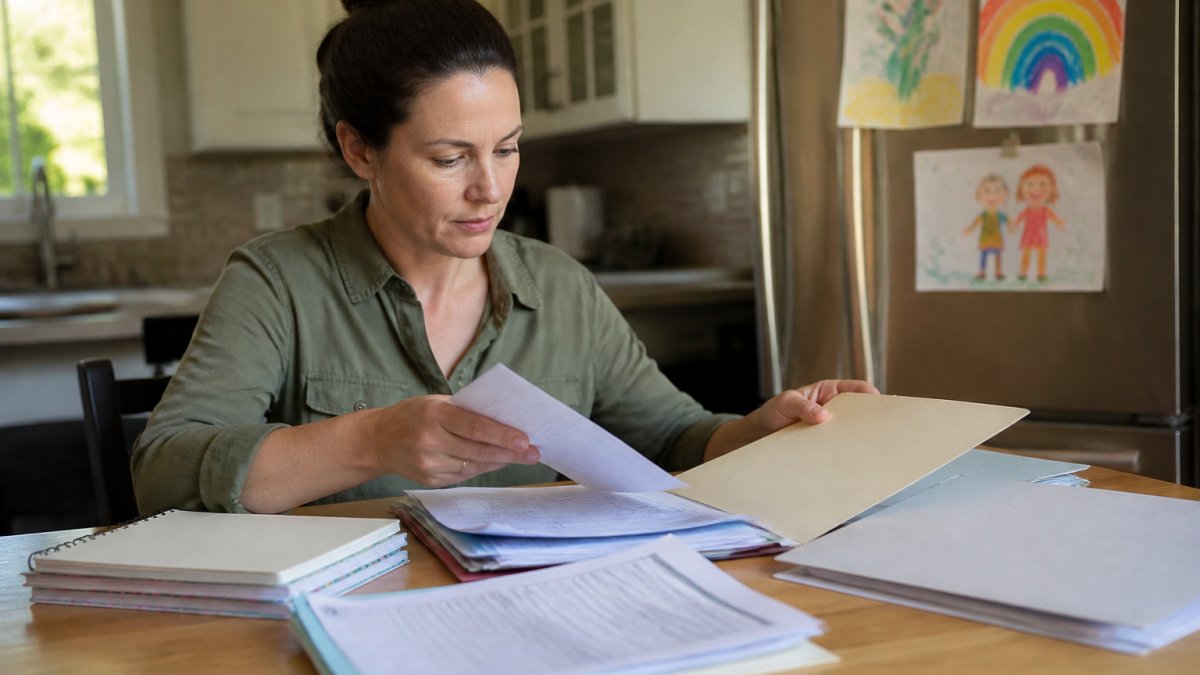
A good FASD assessment checklist for parents saves weeks of back-and-forth. Gather these before your first call:
- Your child's birth date and current age
- Any known or suspected prenatal alcohol exposure details
- Medical history, including diagnoses and medications
- Developmental history: first words, walking, milestones
- School reports and any learning assessments
- Previous evaluations from psychologists or therapists
- A short list of behaviors you see at home
- Your goals for the assessment
One insider tip: write a one-page summary of your child in plain language. Teams read dozens of files, and a clear summary helps yours stand out.
What Happens During the Assessment: The Multidisciplinary Team and Diagnostic Process
A multidisciplinary team usually leads the diagnostic procedure. That team may include a pediatrician, a psychologist, a speech-language pathologist, and a coordinator who keeps the process moving. Some teams also include a registered nurse or social worker.
The assessment process typically involves:
- A medical evaluation and physical exam
- A neurodevelopmental assessment of thinking, memory, and attention
- A developmental history taken from you as the caregiver
- A review of school and clinical records
- A team meeting to weigh findings against diagnostic criteria
Afterward, the team writes a report. It should describe your child's strengths, support needs, and whether a diagnosis applies. Ask for the report in writing, and ask for a follow-up conversation to walk through it.
FASD Assessment Wait Times, Costs, and Telehealth Options
FASD assessment wait times vary widely by region and by team. We won't quote a single number, because it changes constantly and depends on where you live, but we can tell you how to find your region's real number instead of guessing.
How to get a real wait-time estimate. Call the diagnostic team's intake line and ask three questions: How long from referral to first appointment? How long from first appointment to the team's diagnostic meeting? Is there a cancellation list? Ask for the answer in writing if you can.
Cost and coverage. Publicly funded diagnostic services may exist in some provinces, but coverage and the pathway differ by region. Ask the clinic directly: Is this assessment publicly funded? If not, what is the fee? Clarifying these financial details early helps prevent unexpected costs, much like the preparation required when booking a mental health assessment.
Travel and telehealth. Telehealth has changed the picture. Some teams offer virtual intake interviews and record reviews, though parts of the assessment may still need to happen in person. Ask the team which parts are virtual and which are in person, and whether in-person visits can be clustered into one trip.
What to do while you wait. Ask the intake coordinator whether the team will accept updated school or therapy reports while the file is open. Ask whether your child can be placed on a cancellation list.
While you wait, consider finding peer support for FASD caregivers. Other parents who have been through the process can share what they have experienced.
When Prenatal Alcohol Exposure Is Unknown or Records Are Missing
This is the question we hear most often, and it deserves a straight answer: you can still request an assessment.
Many children have no confirmed exposure history. Records get lost. Birth parents may be unavailable. Foster and adoptive parents often have gaps they cannot fill.
Here is how to proceed:
- Tell the team honestly what you know and what you don't
- Share any documentation you do have, even fragments
- Ask whether the team can proceed on clinical grounds
- Ask what else might explain the symptoms
A diagnosis may still be possible. Sometimes the team documents "FASD without confirmed exposure" or points to a related diagnosis. If you need trusted reading material while you gather information, our FASD resource library has recommended books and materials for caregivers.
School Accommodations for Children with FASD While You Wait
You do not need a diagnosis to ask for support at school. That surprises many parents, and it is one of the most useful things to know.
Start with a written request to the school for an assessment of your child's needs. Describe what you see: trouble with transitions, memory gaps, sensory overload, meltdowns after lunch. Ask for specific accommodations such as visual schedules, quiet spaces, and extra time on tasks.
Keep every email. Follow up in writing. Schools respond better to documented requests than to hallway conversations.
If you want to sharpen your skills before that meeting, our guide on advocacy training for FASD caregivers covers how to prepare your case and push for accommodations while the diagnostic file is still open.
Getting Guidance From Harrison's Hope on Your Family's Next Step
The system is slow, and that is not your fault. What matters is that you start, prepare well, and keep pushing.
Harrison's Hope is a registered Canadian charity led by people with both professional expertise and lived experience. You can explore our FASD-informed services and supports, including caregiver programs, peer support, education, and advocacy training.
You do not have to figure out the referral process alone. Get started with Harrison's Hope and take the next step with a team that understands what your family is facing.
Frequently Asked Questions
Does my child need a referral from a doctor to get an FASD assessment?
Not always. Some regions accept self-referrals from parents and caregivers, while others require a referral from a physician. Call your regional service first and ask which route it accepts. If a professional referral is required, bring your completed forms and history notes to the appointment so your provider can send everything in one visit rather than asking you to come back.
How long does it take to get an FASD assessment?
FASD assessment wait times vary widely by province and region, and there is no single national figure. Wait times vary by region. Ask the service for its current estimated wait when you submit your referral form. While you wait, you can still request school supports and developmental services without a formal diagnosis.
What if we don't know whether there was prenatal alcohol exposure?
Tell the diagnostic team what you do know and be clear about what is unknown. Assessment can still proceed: the team reviews medical history, developmental history, and functional abilities, and may look at growth records or earlier clinical evaluations. Missing records do not automatically disqualify a child. Ask the service what documentation it will accept in place of records you cannot obtain, such as caregiver reports or statements from a previous health care provider.
Can my child get school accommodations before a diagnosis is complete?
Yes. You can request an in-school support plan based on your child's current functional needs without waiting for a diagnostic label. Ask the school for a meeting, describe the specific difficulties you see (transitions, instructions, sensory overload), and request accommodations such as visual schedules, chunked instructions, and a quiet space. Bring any assessment reports you already have. A formal FASD diagnosis can strengthen later requests, but supports can start now.