 How-to
7 Steps to Find an FASD Clinic Near You
Last Updated: October 30, 2026
Quick Summary
Finding an FASD clinic near you starts with your family doctor, then widens to regional diagnostic teams, children's treatment centres, and school-based referrals. There is no single national directory of FASD clinics, so search your regional health authority's website for "FASD assessment" or "FASD diagnostic team." Verify the catchment area, age range, and that the service is currently accepting referrals.
- Anyone with suspected prenatal alcohol exposure can request an assessment, at any age.
- After a referral is submitted, call the clinic two to three weeks later to confirm receipt.
- Missing documents are the most common reason assessments stall, so submit a complete records package.
- Ask your local service about its current wait and request a cancellation list.
- Confirm in writing what a private assessment fee includes before you commit.
Table of Contents
- How to Find an FASD Clinic Near You: 7 Steps
- Who Can Access an FASD Assessment
- Your FASD Assessment Referral: Doctors, Schools, and Self-Referral
- What to Bring: Records and Preparation Checklist
- What Happens During a Diagnostic Assessment
- FASD Clinic Wait Times and How to Prepare
- FASD Assessment Funding and Costs
- FASD Support Services While You Wait and After Diagnosis
- Frequently Asked Questions
How to Find an FASD Clinic Near You: 7 Steps
Finding an FASD clinic near you starts with your family doctor, then widens to regional diagnostic teams, children's treatment centres, and school-based referrals. This guide from Harrison's Hope walks you through the seven steps that get you there, from first phone call to follow-up support.
Here is the honest version: there is no single national directory of FASD clinics. Access varies by province, and rural families often drive hours or wait longer. But the pathway is predictable once you know it. Below, we show you exactly how to move from "I think my child has FASD" to a completed assessment, and what to do while you wait.
FASD clinic searches usually return a confusing mix of regional health pages and charity listings. We have organized the process into steps you can act on today.
| Step | What You Do | Typical Time |
|---|---|---|
| 1 | Talk to your family doctor or pediatrician | 1-2 weeks |
| 2 | Gather developmental and medical history | 2-4 weeks |
| 3 | Get a referral to a diagnostic team | 1-3 months |
| 4 | Complete the intake package | 2-6 weeks |
| 5 | Attend the assessment sessions | 1-3 visits |
| 6 | Receive the diagnostic report | 4-12 weeks |
| 7 | Connect to support services | Ongoing |
Who Can Access an FASD Assessment
Anyone with suspected prenatal alcohol exposure can request an assessment, at any age. You do not need a confirmed diagnosis or proof of exposure to start the conversation.
Eligibility usually depends on factors set by each program. Ask the clinic what it requires.
If you are an adult seeking diagnosis, ask specifically about adult assessment pathways.
Your FASD Assessment Referral: Doctors, Schools, and Self-Referral
A referral is the formal request that puts you in a diagnostic queue. Your family doctor can make it, and so can a school social worker, a pediatrician, or a Child and Family Services worker. Some regions accept self-referral, where a caregiver contacts the clinic directly. The practical challenge is not knowing that referrals exist, it is knowing which door to knock on first and how to confirm the referral actually landed.
Step 1: Identify the diagnostic team that serves your postal code
There is no single national directory, so work from the most local authority outward:
- Regional health authority FASD program. Search your health authority's website for "FASD assessment" or "FASD diagnostic team."
- Children's treatment centre or child development centre. These often host the diagnostic team for children and youth, even when the FASD program is administered elsewhere.
- Hospital-based developmental pediatrics or psychiatry. Useful when the regional program has a long wait or does not serve adults.
- Indigenous health organizations and Friendship Centres. Many provide navigation support and can connect families to culturally appropriate assessment pathways.
When you find a candidate service, verify three things before investing time in a referral: the catchment area includes your postal code, the age range matches the person being assessed, and the service is currently accepting referrals. A listing that is two or three years old may describe a program that has since merged, moved, or closed intake.
Step 2: Choose the referral pathway that fits your situation
| Referral source | Best when | What to ask them |
|---|---|---|
| Family doctor or pediatrician | You have an ongoing clinical relationship and records to share | Ask them to send the referral to the specific team you identified, not a generic health authority inbox |
| School resource teacher or social worker | The concerns show up most clearly at school | Ask for a written summary of learning and behavioral observations to attach |
| Child and Family Services worker | The child is involved with the system | Ask whether they can expedite or navigate the referral |
| Self-referral | Your region accepts it and you have records ready | Ask what documents the intake team needs from you |
Start with your family doctor when possible. Bring a written list of your concerns and any known exposure history. If your doctor is unsure where to send the referral, ask them to contact your regional health authority's FASD program directly rather than guessing.
Schools can be strong allies. A resource teacher or social worker who has tracked your child's learning and behavior can add detail that strengthens the referral and gives the diagnostic team a second source of information.
Step 3: Confirm the referral is active
Referrals stall silently. A fax that never arrived, a form missing a signature, or a referral sent to the wrong catchment area can leave a family waiting for a call that will not come. After your doctor submits the referral, ask for the confirmation number or fax record, then call the clinic two to three weeks later to confirm receipt and ask where you sit in the queue.
Advocating for a referral takes skill, especially when a doctor hesitates. Our advocacy training guide for FASD caregivers can help you build those skills.
What to Bring: Records and Preparation Checklist
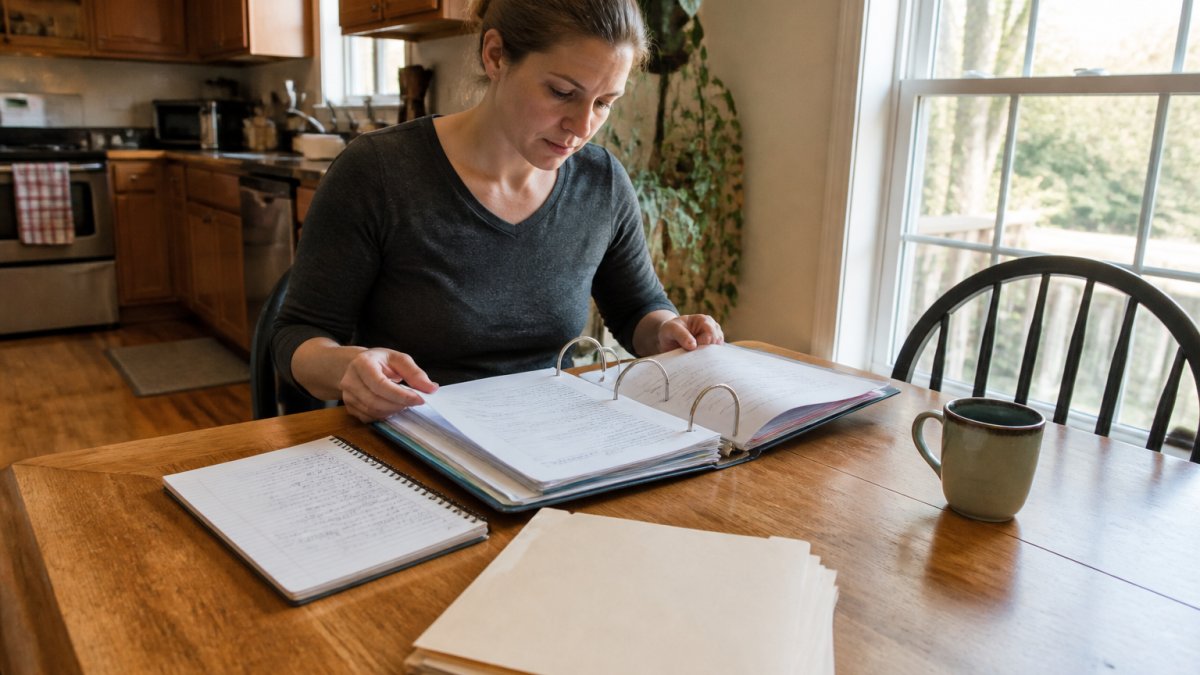
A complete records package speeds up your assessment and helps the diagnostic team see the full picture. Clinics ask for developmental history, medical records, and school information. Missing documents are the most common reason assessments stall.
Bring or request:
- Prenatal and birth history, including any known alcohol exposure
- Medical records from your family doctor and pediatrician
- Developmental milestones (walking, talking, first words)
- School records, report cards, and any individualized education plans
- Previous assessments: speech, psychology, occupational therapy
- A written log of behaviors you have noticed, with dates
- Custody or guardianship documents, if relevant
- Contact details for other professionals involved
What Happens During a Diagnostic Assessment
A diagnostic assessment is a structured evaluation by a team, not a single test (How is fetal alcohol spectrum disorder (FASD) diagnosed?). The team usually includes a physician, a psychologist, and sometimes a speech therapist or social worker. They review your records, interview caregivers, and observe your child.
Expect these components:
- A caregiver interview about development and daily functioning
- A review of prenatal exposure history
- Cognitive and adaptive testing
- A physical exam in some cases
- A team meeting to reach a consensus diagnosis
The assessment looks for the pattern of strengths and challenges that defines FASD. There is no blood test for FASD (How is fetal alcohol spectrum disorder (FASD) diagnosed?). Diagnosis rests on history and clinical judgment. You can read more about the diagnostic criteria through CanFASD's diagnostic guidance.
FASD Clinic Wait Times and How to Prepare
Wait times vary by region. Ask your local service about its current wait.
You can shorten the wait in practical ways:
- Submit a complete records package the first time
- Ask to be placed on a cancellation list
- Confirm your referral was received and is active
- Follow up every few months, politely
While you wait, do not stall. Join a caregiver group, start learning FASD-informed strategies, and document behaviors.
FASD Assessment Funding and Costs
Assessment funding depends on where you live and who provides the service. Confirm funding directly with your provider. The single most useful distinction to understand is public versus private assessment, because the cost, wait time, and documentation you receive differ sharply between them.
Public assessments
Some assessments may be covered by provincial health plans when delivered through a public clinic, hospital team, or children's treatment centre. Confirm coverage with the service.
Public pathways to ask about:
- Regional health authority FASD diagnostic teams, usually publicly funded, with catchment-area eligibility.
- Hospital developmental pediatrics or psychiatry, publicly funded, often accessed through physician referral.
- Children's treatment centres, publicly funded for children and youth, sometimes with school or physician referral.
- Indigenous health organizations, may fund or navigate assessment for eligible families.
Private assessments
Private psychologists and clinics may charge a fee for assessment. Ask each provider for its current pricing. Private assessment can shorten the wait, but you should confirm in writing what the fee includes: the assessment sessions, the written report, a feedback meeting, and any follow-up. Ask for a written quote before you commit, and ask whether a deposit is required and whether it is refundable.
Before paying for a private assessment, confirm that the resulting report will be accepted by the school, funding programs, or services you are pursuing. A report that does not meet a program's documentation requirements can leave you paying twice.
Questions to ask any clinic about funding
- Is this assessment covered by my provincial health plan, and if not, what is the total cost in CAD?
- Are there fees for the written report, feedback meeting, or follow-up?
- Is there a sliding scale, subsidy, or payment plan for families?
- Does the clinic accept referrals for adults, and is adult assessment funded differently?
- Will the report meet the documentation requirements for school supports or disability funding?
If cost is a barrier
Ask your regional health authority whether funded assessment programs exist in your area. If you are weighing a long public wait against a private fee, our FASD resource library includes materials that help families understand what assessors look for, so you can decide which pathway fits your situation.
FASD Support Services While You Wait and After Diagnosis
Support should not wait for a diagnosis. Harrison's Hope offers a continuum of services for families living with FASD.
You can explore Harrison's Hope services and supports for the FASD community. If you specifically want to connect with other parents, our guide to finding peer support for FASD caregivers walks you through it step by step.
One foster parent told us the caregivers' group made them feel understood for the first time.
Frequently Asked Questions
How do I find an FASD clinic near me?
Start by asking your family doctor or pediatrician for a referral to a diagnostic team. You can also contact your regional health authority for guidance. Search online for 'FASD assessment clinic' plus your region, then call to confirm eligibility, intake steps, and current wait times.
Can a family doctor refer someone for an FASD assessment?
Yes. A family physician or other healthcare provider can often make a referral. Call the clinic's intake line to confirm its referral process. Bring your developmental and medical history to the first appointment to help the team decide on next steps.
Are FASD assessment services covered or funded?
Coverage varies by provider, so confirm with the clinic. Some programs charge fees for parts of the process, and travel or childcare costs may add up. Ask the clinic about FASD assessment funding options, including any subsidies or charitable support.
What support is available while waiting for an FASD assessment?
Wait times can stretch for months, so connect with FASD support services early. Harrison's Hope offers FASD-informed guidance and peer connection for families. Use the waiting period to gather school records, developmental history, and notes on daily challenges, which will help the assessment team.
The hardest part is not the search. It is the waiting, and the feeling that you are navigating this alone. Harrison's Hope exists to change that, with caregiver- and lived-experience-informed support, practical FASD tools, and advocacy training that helps families thrive. Get started with Harrison's Hope and find the guidance and community your family deserves.